
🐕 The Science Behind Why Dogs Chew:
Your Dog Really Needs to Be Allowed to Chew
In conversations with dog owners, there’s a common question that’s often misunderstood: In fact, most owners have a misconception about chewing behavior.
This article will explore dog chewing from three angles—canine behavioral science, oral development physiology, and emotional regulation—while integrating Apasiri’s expert insights to help you understand and guide your dog’s chewing more scientifically.
1. 🐾 Chewing Is an Instinctive Need in Dogs
Genetic Behavioral Background
In the wild, dogs (and their ancestors) hunt, tear, and gnaw on bones to obtain food.
This behavior has been retained as an instinctive outlet even after domestication.
It’s especially strong in these three groups of dogs:

These breeds are naturally driven by powerful jaw strength and require frequent chewing to maintain mental balance.
2. 🦷 Chewing Behavior & Developmental Stages in Dogs
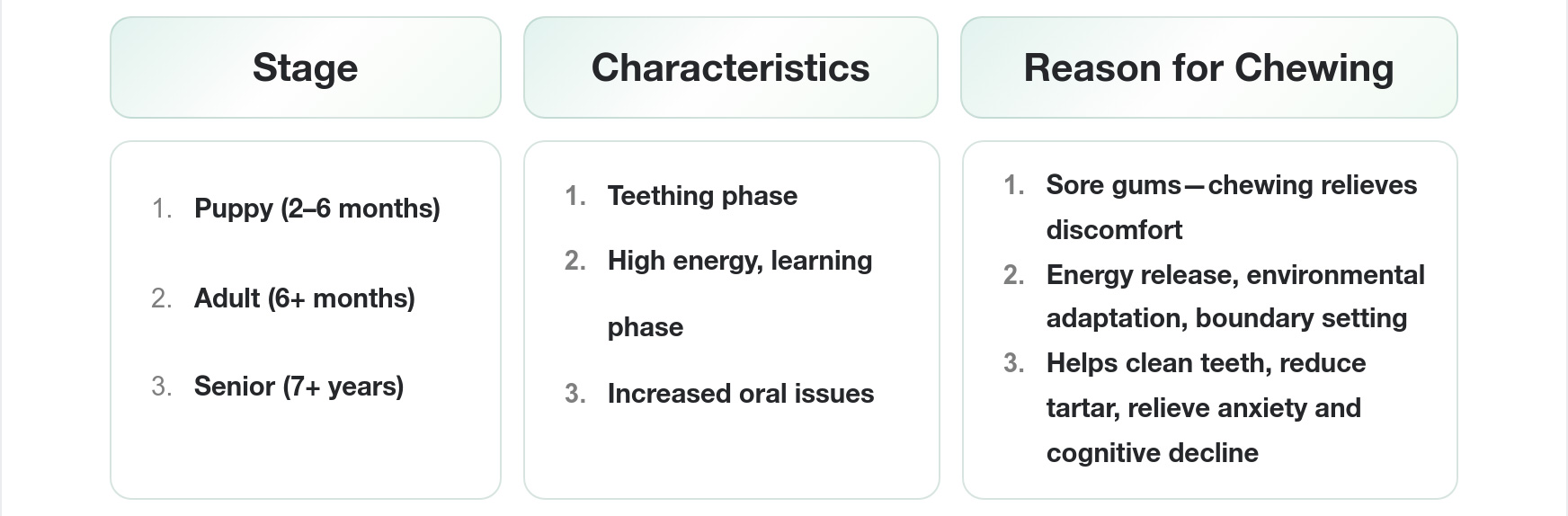
Chewing spans a dog’s lifetime and physiologically acts as a substitute for brushing teeth, reduces plaque buildup, stimulates saliva production, and soothes anxiety.
3. 🧠 Emotional Regulation Through Chewing: A “Self-Soothing Mechanism”
Behavioral psychology shows dogs chew to self-regulate when experiencing loneliness, anxiety, or neglect—much like humans biting their nails or tapping their feet.
Chewing spikes in these situations:
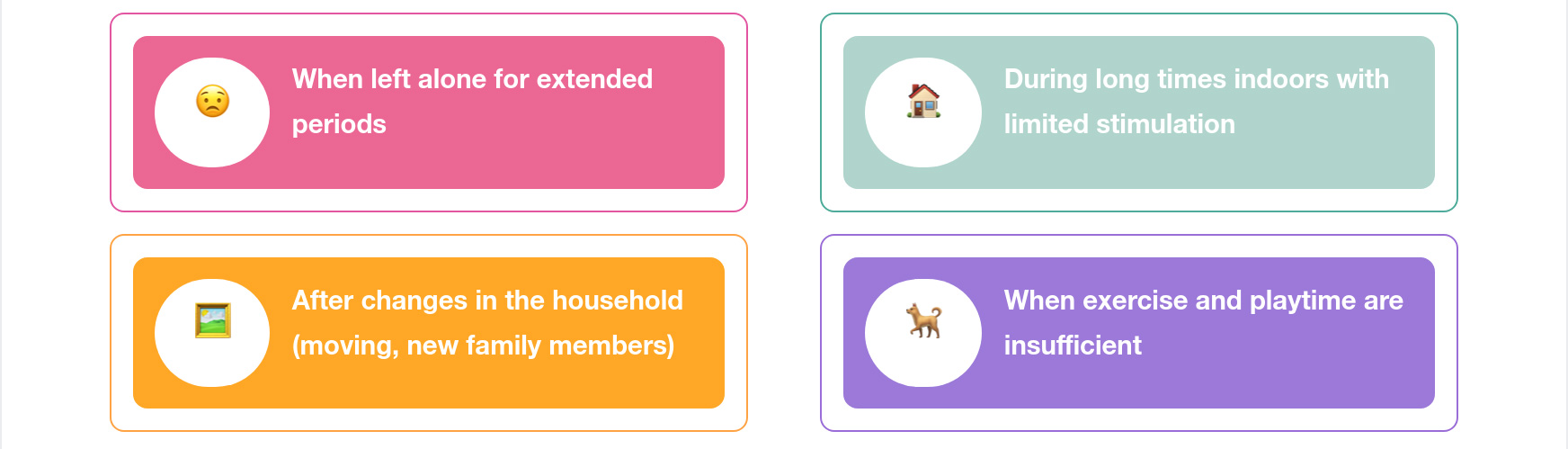
Without proper outlets, dogs resort to chewing furniture, shoes, wires, carpets — anything within reach.
4. 🚫 Don’t Suppress Chewing — Guide It Scientifically
Punishing or restricting chewing can cause:
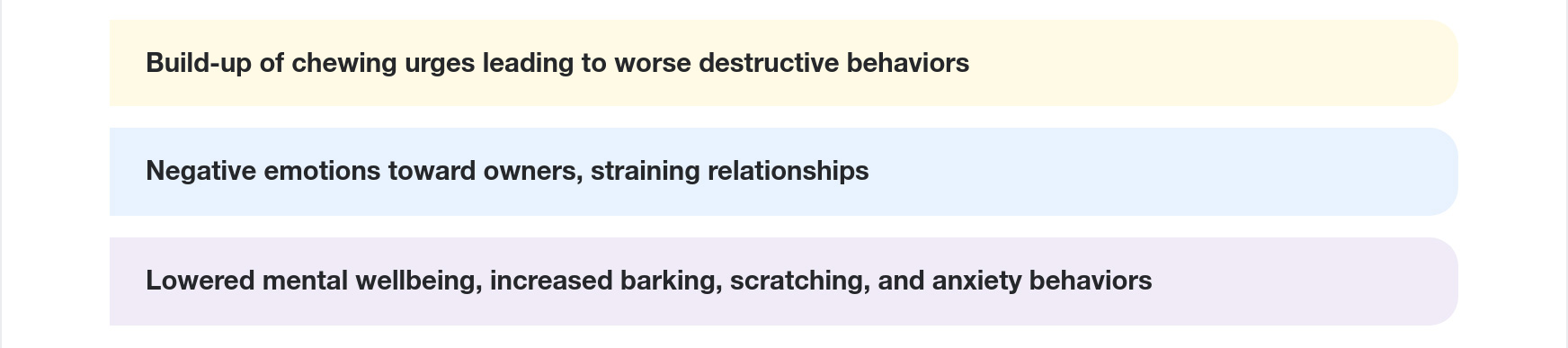
The scientific approach is replacement and redirection:
Provide structurally appropriate, safe, and behaviorally suitable toys that guide your dog to release chewing impulses on acceptable targets.
5. Conclusion: To Truly “Understand Dogs,” Start with Their Chewing Behavior
Chewing isn’t a bad habit; it’s an innate physiological need and a key emotional regulation tool for dogs.
The more you understand this instinct, the better you can provide proper guidance.
At Apasiri, everything we do is dedicated to helping dogs and their owners build a deeper understanding—starting with the right chew toy.